
FEARLESS DYSLEXIAAPC-accredited Dyslexia Assessments in Bath, Bristol & Online (UK) for Children, Students & Adults
About me
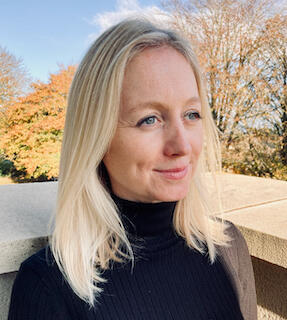
Welcome. I'm Susanna, an APC-accredited dyslexia assessor with over 20 years' experience in education. As a former SENCO and class teacher, I understand how frustrating it can be when a child, student or adult is working hard but not achieving the results they are capable of. My aim is to provide clarity, reassurance and practical recommendations through comprehensive dyslexia assessments. My approach is calm, supportive and person-centred, helping individuals and families better understand their learning profile and identify meaningful next steps.I offer face-to-face dyslexia and SpLD assessments in:
• Bath, Bristol and Surrounding areas
• Wiltshire
• GloucestershireOnline assessments are available nationwide and are conducted personally by me via Zoom.
Dyslexia Assessments for children

You may be considering a dyslexia assessment if your child:
Works much harder than their peers but still struggles with reading, spelling or writing.
Finds it difficult to remember instructions or retain new information.
Takes longer than expected to complete homework or written tasks.
Avoids reading or writing and becomes frustrated with schoolwork.
Appears bright and capable, but their attainment does not reflect their potential.
Has strong verbal skills, but these are not always reflected in their written work.
Experiences difficulties with organisation, sequencing or time management.
Lacks confidence in their academic abilities despite trying hard.
Starts running out of time in tests and exams.
Click below to find out more and learn about the assessment process.
Dyslexia Assessments for University Students (DSA)
Transitioning to college or university often means juggling new demands — independent study, heavy reading loads, research, note-taking, and deadlines. For some students, dyslexia can make these challenges feel overwhelming.An educational assessment helps you understand how you learn best and identifies strategies to make study more efficient and less stressful.These assessments are tailored and can include ADHD and DCD screening which can be used for DSA and give you recommendations.Reports are suitable for Disabled Students' Allowance (DSA) applications.Click below to find out more about the assessment process


DYSLEXIA ASSESSMENTS FOR ADULTS
Many adults reach a point where they wonder whether dyslexia could explain lifelong difficulties with reading, writing, organisation, memory or confidence.My adult dyslexia reports are suitable for DSA, professional exams and workplace adjustments. I also now offer the QBCheck ADHD ScreenerClick below to find out more about the assessment process
FAQs and Service Fees
For commonly asked questions please click below:
ContactBook a Free 30-Minute Consultation
If you're unsure whether an assessment is right for you or your child, I offer a free 30-minute Zoom consultation to discuss your concerns, answer questions and talk through the next steps.
Follow us on Facebook for the latest dyslexia advice, resources, and updates.
About Me
With over 20 years' experience in education across both state and independent sectors, I have worked as a class teacher, SENCO and specialist dyslexia teacher before specialising as a Dyslexia Assessor.I am a fully SASC-registered dyslexia assessor and hold an Assessment Practising Certificate (APC). Although an APC is not mandatory, it demonstrates my commitment to maintaining the highest professional standards and keeping up to date with current assessment practice.As I hold a current APC, reports confirming a diagnosis of dyslexia can be used as supporting evidence when applying for Disabled Students' Allowance (DSA) in higher education. My reports provide a detailed understanding of strengths and areas of difficulty, alongside practical recommendations to support learning, study and workplace success.
Qualifications:
PGCE: Middle Years Science (QTS)
Experienced Special Educational Needs Co-ordinator (SENCO) both within the private and state system
Post Graduate Accredited Level 5 – Certificate in Dyslexia; Literacy, Support and Intervention with the British Dyslexia Association
Post Graduate Accredited Level 7-Diploma in Dyslexia Assessment and Intervention with the British Dyslexia Association
Associate Member of the British Dyslexia Association (AMBDA): AMBDA number: 22/AMB11105
Full Member of PATOSS:FLI10521
Assessment Practising Certificate (APC) Awarding Body: PATOSS
APC number: 500003594 -FLI10521
I have an enhanced DBS and up to date safeguarding training
I hold professional indemnity insurance and I am registered with the Information Commissioner’s Office
For a free initial consultation to discuss whether a dyslexia assessment is right, considering your/your child's specific needs, please contact me below:
Follow us on Facebook for the latest dyslexia advice, resources, and updates.
Dyslexia Assessments for Children
Dyslexia Assessments for children:A dyslexia assessment can help identify the reasons behind your child's difficulties, provide a better understanding of how they learn, and offer practical recommendations to support them both at home and in school. The assessment also highlights strengths, helping to build confidence, self-esteem and a positive understanding of their learning profile.Every assessment is conducted in a calm, supportive environment and is designed to help your child feel relaxed and at ease.You’ll receive a comprehensive report which:
Highlights your child's strengths and areas of difficulty, with clear recommendations and next steps
Includes a diagnosis of dyslexia, where supported by the assessment findings
Provides practical recommendations for school, home and any 1:1 or small-group support
May provide evidence to support applications for exam access arrangementsIn addition, I offer the QbCheck ADHD Screener, which can be used where attention, concentration, impulsivity or hyperactivity are areas of concern. I can also incorporate an exploration of maths difficulties where appropriate. Please see the FAQs and Fees pages for further information.
Follow us on Facebook for the latest dyslexia advice, resources, and updates.
WHAT IS DYSLEXIA?
Dyslexia is a specific learning difficulty that primarily affects the skills involved in accurate and fluent reading, spelling and writing. It can also impact areas such as memory, processing speed, organisation and the ability to quickly retrieve information.Dyslexia affects people in different ways and no two individuals present in exactly the same way. Many people with dyslexia also demonstrate significant strengths, including creativity, problem-solving skills, resilience, strong verbal reasoning and the ability to see the bigger picture.While dyslexia can make some aspects of learning more challenging, understanding an individual's unique profile of strengths and difficulties is often the first step towards achieving their potential.Why have a Dyslexia Assessment?
A dyslexia assessment provides a detailed understanding of how you or your child learns. It identifies both strengths and areas of difficulty, helping to explain why certain tasks may feel more challenging than expected.A comprehensive assessment can:
Identify whether dyslexia is present
Highlight strengths as well as areas of difficulty
Provide personalised recommendations for home, school, university or work
Support applications for Disabled Students' Allowance (DSA)
Provide evidence that may contribute towards exam access arrangements
Improve confidence through a better understanding of how you learn
These checklists published by the British Dyslexia Association are a good starting point to see if you are showing signs of dyslexia:Click here to download the Foundation Dyslexia ChecklistClick here to download the Primary Dyslexia ChecklistClick here to download the Secondary Dyslexia ChecklistClick here to download the Adult Dyslexia Checklist
For a free initial consultation to discuss whether a dyslexia assessment is right, considering your/your child's specific needs, please contact me below:
Follow us on Facebook for the latest dyslexia advice, resources, and updates.
Dyslexia Assessments for University Students (DSA)
Dyslexia Assessments for University Students (DSA)If you're at University and think you may have dyslexia, you're not alone. Many students only begin to recognise the signs when the demands of higher education increase, such as managing heavy reading loads, meeting deadlines, taking notes during lectures and working independently.A dyslexia assessment can provide clarity, help you understand how you learn best, and enable you to access appropriate support through Disabled Students' Allowance (DSA).How an Assessment Can Help
✅ Identify dyslexia and related learning differences
✅ Explain your individual learning profile
✅ Highlight strengths as well as areas of difficulty
✅ Support an application for Disabled Students' Allowance (DSA)
✅ Provide practical recommendations for study and academic successDSA May Provide Access To:
✅ Extra time in examinations
✅ Specialist study skills support
✅ Assistive technology and software
✅ Reasonable adjustments within your universityWhat I Offer
✅ Full diagnostic assessment
✅ Detailed report suitable for DSA applications
✅ ADHD and DCD screening options where appropriate
✅ Clear, practical and personalised recommendations
✅ Face-to-face assessments in Bath, Bristol and the surrounding areas
✅ Online assessments across the UKFree Initial Consultation
If you're unsure whether a dyslexia assessment is right for you, I offer a free initial consultation to discuss your circumstances and answer any questions you may have.
What is Disabled Students' Allowance (DSA)?
Disabled Students' Allowance (DSA) is a government-funded grant available to students in Higher Education who have a disability or specific learning difference, such as dyslexia, dyspraxia (Developmental Co-ordination Disorder) or ADHD.
DSA is designed to help students overcome barriers to learning by providing personalised support. Depending on individual needs, this may include:
Specialist study skills support
Assistive technology and software
Reasonable adjustments
Other support to help you succeed at university
To apply for DSA, students with a specific learning difference will need appropriate evidence, such as a full diagnostic assessment report.As an APC-accredited assessor, I provide diagnostic assessments and reports that can be used as supporting evidence for DSA applications. An assessment not only helps identify and explain areas of difficulty, but also highlights strengths and provides recommendations to support success at university and beyond.If you are preparing for university or are already studying in Higher Education, I would be happy to discuss whether a dyslexia assessment is right for you.
Follow us on Facebook for the latest dyslexia advice, resources, and updates.
Adult Dyslexia Assessments Online across the UK
Many adults reach a point where they begin to wonder whether dyslexia could explain difficulties they have experienced throughout education, work or daily life. An assessment can provide clarity, identify strengths and challenges, and help you better understand how you learn and work most effectively.An adult assessment may be helpful if you:
Struggle with reading, spelling, or written communication
Find organisation, sequencing, or memory tasks difficult
Have always needed extra time to complete work
Want to understand lifelong learning challenges or strengths
Are seeking support through Access to Work or DSA
Your comprehensive report will:
Identify strengths and areas of difficulty
Confirm a diagnosis of dyslexia, where appropriate
Provide practical recommendations for work, study and everyday life
Be suitable for Access to Work or Disabled Students' Allowance (DSA)
Help you better understand your learning profile and how to maximise your strengths
Additional Services.
I also offer the QbCheck ADHD Screener where attention, concentration, impulsivity or hyperactivity may be areas of concern.
Free Initial Consultation:
If you are unsure whether a dyslexia assessment is right for you, I offer a free initial consultation and would be happy to discuss your circumstances and answer any questions.
Contact
For a free initial consultation to discuss whether a dyslexia assessment is right, considering your/your child's specific needs, please contact me below:
Follow us on Facebook for the latest dyslexia advice, resources, and updates.
FAQs and Service Fees
What happens prior to the assessment?
Prior to the assessment, a range of questionnaires and paperwork are completed in order to gain a holistic overview.What happens during the assessment?
The assessment typically takes 2-3 hours and is conducted in a calm, supportive environment with breaks provided where needed.A range of standardised assessments are used to explore cognitive and attainment skills, including receptive and expressive language, non-verbal reasoning, memory, processing speed, reading, spelling and writing.Following the assessment, all results are carefully analysed alongside the background information provided. A comprehensive report, including personalised and evidence-based recommendations, will be sent electronically within 21 working days.Where does the assessment take place?
Assessments can take place in school, at home or online. Adult assessments are conducted online.Can dyslexia be assessed online?
Yes. Online assessments are suitable for many children, students and adults and use recognised assessment procedures. If I feel an in-person assessment would be more appropriate, this will be discussed during the initial consultation.What age can a child have a dyslexia assessment?
A full dyslexia assessment is carried out from around 8 years of age, when literacy skills have had sufficient opportunity to develop. However, there is an option of an Early Literacy Assessment to inform intervention with myself which can be completed from age 5. If you are unsure whether your child is ready for an assessment, please get in touch to discuss your individual circumstances.Can the report be used to support exam access arrangements?
The assessment may provide evidence of underlying difficulties that contribute to the need for exam access arrangements. However, schools and colleges are responsible for determining and applying access arrangements in accordance with current regulations.Can the report be used for Disabled Students' Allowance (DSA)?
Yes. As I hold a current Assessment Practising Certificate (APC), reports confirming a diagnosis of dyslexia can be used as supporting evidence when applying for Disabled Students' Allowance (DSA).Will my child receive a diagnosis of dyslexia?
A diagnosis is only made where the assessment findings indicate that the recognised criteria for dyslexia are met. Every assessment is individual, and the outcome will depend on the evidence gathered during the assessment process.What if the assessment shows my child is not dyslexic?
The assessment will still provide a detailed understanding of your child's strengths and areas of difficulty and will include practical recommendations to support learning, regardless of whether a diagnosis of dyslexia is identified. Where appropriate, recommendations for further investigation or onward referral to other professionals will be provided.How do I know whether my child needs a dyslexia assessment?
You may wish to consider an assessment if your child is experiencing persistent difficulties with reading, spelling, writing, memory, organisation or processing information, despite appropriate teaching and support. If you are unsure whether an assessment would be appropriate, I offer a free consultation to discuss your concerns. A checklist can also be found on this website.I am an adult. Is it too late to be assessed?
No. Many adults seek an assessment later in life to better understand their strengths and difficulties, access support in higher education or the workplace, or simply gain clarity about their learning profile.How long is the waiting list?
Please contact me for current availability. I will be happy to discuss appointment options during a free initial consultation.Why choose Fearless Dyslexia?
Choosing the right support for yourself or your child can feel overwhelming. My aim is to make the assessment process as supportive, informative and reassuring as possible. I take the time to understand the whole person, recognising strengths as well as any areas of difficulty, because confidence and self-esteem are just as important as academic progress.Every assessment is personalised and conducted in a calm, friendly environment. You'll leave with a clear understanding of how you or your child learns best, practical recommendations for support, and the confidence to take the next steps forward.In addition, I offer:
APC-accredited dyslexia assessments
AMBDA-qualified specialist teacher assessment
Over 20 years' experience in education
Former SENCO experience in both state and independent schools
Assessments for children, university students and adults
A calm, personalised and supportive approach
Comprehensive reports with practical, evidence-based recommendationsHow do I make a booking?
Email me on: susanna@fearlessdyslexia.com
Or, you can head to my website and send an enquiry – www.fearlessdyslexia.comAs an assessor with a current Assessment Practising Certificate (APC), assessment reports may be used as evidence for Disabled Student Allowance (DSA) when applying to University.
What are the fees?
There are a range of assessment options, please see the table below:
To find out more, and have a free initial consultation please enquire here
| Type of Assessment | What’s involved | Price |
|---|---|---|
| Early Literacy Assessment to inform Intervention – usually up to age 8 | This uses the same tests as a dyslexia assessment, but is does not give a diagnosis. The report is shorter and focuses on targeted intervention for school/1:1 or group support and home. | £395 |
| Dyslexia Assessment – age 8-16 | A dyslexia assessment to investigate the presence of dyslexia. A fuller and detailed report is produced with recommendations for access arrangements, school, 1:1/group support & home. Where appropriate, referrals to other professionals for further investigation will be signposted. | £525 |
| Post 16 Dyslexia Assessment | A dyslexia assessment to investigate the presence of dyslexia. A fuller and detailed report is produced with recommendations for access arrangements, DSA/University/the workplace, 1:1/group support & targeted personal recommendations. Where appropriate, referrals to other professionals for further investigation will be signposted. | £525 |
| Dyslexia Assessment with additional exploration of Maths Difficulties | As above, but with additional exploration of numeracy skills to assess attainment in maths and understanding of number. The results from this exploration are not intended to provide evidence for a formal diagnosis of dyscalculia, but they will indicate whether further assessment is required and enable targeted supportive recommendations. | Additional £75 |
| QBCheck-ADHD Screener | Available as an add-on to any dyslexia assessment at a reduced fee, QbCheck is an objective ADHD screening tool for children (6+) and adults. Results are provided in a separate report. Please note: QbCheck does not diagnose ADHD but may help inform discussions with healthcare professionals and support referral decisions. | £230 when booked with another assessment |
| Post 16 Dyslexia Assessment/ DCD (Dyspraxia) | A holistic Specific Learning Differences (SpLD) assessment includes a dyslexia assessment alongside a diagnostic interview for Developmental Coordination Disorder (Dyspraxia). The DIDA tool, a structured diagnostic interview, helps identify profiles of dyspraxia and can guide recommendations for further support in education and the workplace. This can be used for DSA. | £750 |
| Post 16 Dyslexia Assessment / DCD and ADHD Exploration with QbCheck Screener | A holistic specific learning differences (SpLD) assessment includes a dyslexia assessment and an additional exploration / diagnostic interview for ADHD and DCD (Dyspraxia). This can be used for DSA. | £975 |
| 18+ Dyslexia Assessment with a more detailed ADHD interview and exploration (which can be used for the purpose of Disability Student Allowance -DSA) | This covers a dyslexia assessment, and a more detailed ADHD interview that can give a non medical diagnosis of ADHD. This can be used for the purpose of DSA and is ideal for those who are 18 and off to University. | £1000 |
F
F
Text
Follow us on Facebook for the latest dyslexia advice, resources, and updates.
Text